(726) 233-6044

5.0 RATING (715+ Reviews)
Indoor Air Quality Services in Alamo Heights
Need indoor air quality help in Alamo Heights? Honeycomb Heating & Cooling has served Cambridge, Terrell Hills, and Olmos Park for 15 years. Our IAQ specialists address Mountain Cedar allergies (December-February peak), oak pollen, and historic home humidity challenges unique to Spanish Colonial and Tudor properties. Starting at $700 for filtration upgrades. Call (726) 233-6044 for assessment.
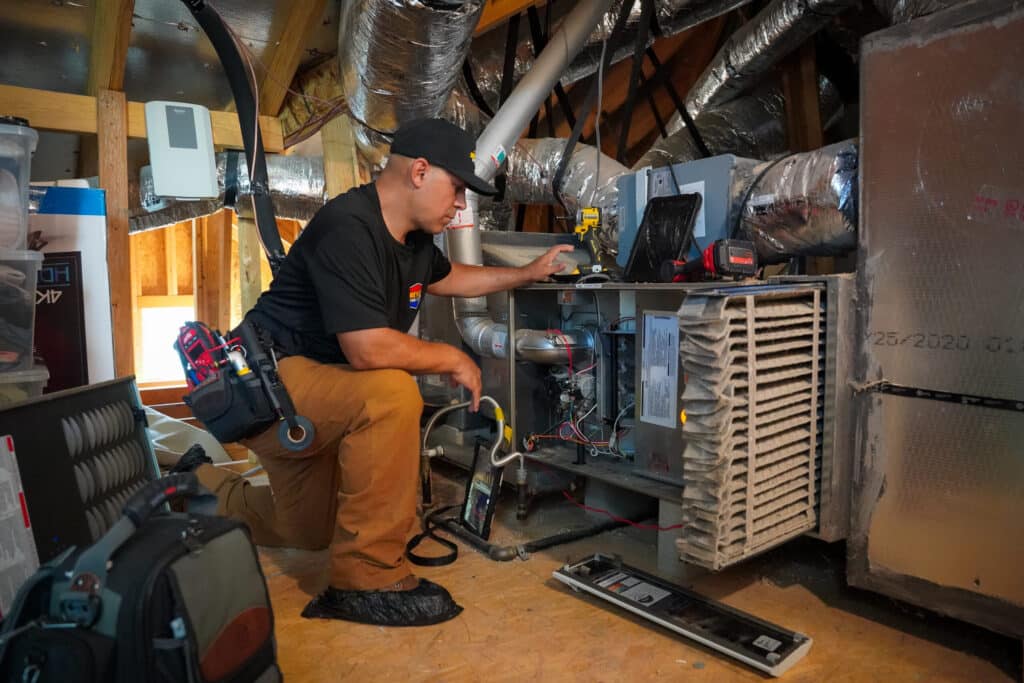

Great company. Got the work done quickly and neatly. Angel and Sergio were super helpful and kind. They did amazing work. Thank you for the great service guys!

Aaron was amazing. I learned a lot about my AC he also helped me put the air duct on my dryer. Very professional great customer service.

Great experience from start to finish and kept me informed each step of the way.

start with a
no pressure visit
We’ll Inspect your system, explain what we see, and let you decide what’s best for your home.
Call Now: (726) 233-6044
REPAIR | INSTALLATION | TUNE-UP: We’ll provide the facts, then you pick the fix that fits your budget.



100% Satisfaction Guarantee

Responsive & Timely Service

Licensed #TACLA140435E
The Alamo Heights Air Quality Problem Most HVAC Companies Miss
🌲 Mountain Cedar Invasion
Alamo Heights sits in the epicenter of Central Texas’ Mountain Cedar (Juniperus ashei) zone. December through February, cedar pollen counts reach 15,000+ grains/m³ causing cedar fever that mimics flu symptoms. Unlike other regions, cedar pollen penetrates even closed homes through aging weatherstripping in 1920s-1940s construction. Standard 1-inch filters capture only 30% of cedar pollen particles.
🏛️ Historic Home Challenges
Spanish Colonial and Tudor homes (1920s-1940s) dominate Cambridge, Terrell Hills, and Olmos Park thick stucco walls create humidity pockets, original ductwork has 20-30% leak rates, and undersized return air vents concentrate allergens on upper floors. Modern HVAC systems struggle to circulate air through period construction not designed for central cooling.
💧 Year-Round Humidity Battle
San Antonio averages 73% humidity year-round. Alamo Heights’ microclimate near Olmos Basin and Brackenridge Park adds 5-10% more moisture. Historic homes’ original HVAC drain pans lack proper drainage mold grows invisibly in attics and ductwork. Thick Spanish Colonial walls prevent proper moisture escape, creating persistent musty odors despite cleaning.
PEC Members: Clean Air = Lower Bills
Most Alamo Heights and surrounding Pedernales Electric Cooperative (PEC) homes are served by PEC. Dirty filters and scale-coated coils can increase your HVAC energy consumption by 15-25%, directly raising your PEC bill. Our IAQ tune-ups restore system efficiency while eliminating allergens recovering more in monthly energy savings than the service costs. Most Alamo Heights homeowners see PEC bill improvement within one billing cycle after a full system cleaning and filtration upgrade.

What to Expect: IAQ Service in Alamo Heights
A reliable AC installation follows a clear process from start to finish. Here’s what to expect when you schedule an installation with Honeycomb in Alamo Heights:
1. You Call, We Answer
Call (726) 233-6044 and speak directly with our dispatch team not a call center. We’ll ask about your home’s age and style (Spanish Colonial? Tudor?), current HVAC system, allergy triggers (cedar? oak? dust?), and whether you’re experiencing IAQ emergencies (post-freeze mold concerns, visible duct contamination).
2. Fast Dispatch to Alamo Heights
Your technician arrives from our US Hwy 281 N office typically within 30-45 minutes to Cambridge, Terrell Hills, Olmos Park, and Blue Bonnet Hills. We know the fastest routes through Broadway corridor traffic and around the Quarry Market area during peak hours.
3. Historic Home IAQ Assessment
Before recommending anything, we test: Current filter efficiency (most Alamo Heights homes use standard 1-inch filters capturing only 30% of cedar pollen). Indoor humidity levels (should be 45-50%, often 60-65% in historic homes). Duct leaks (20-30% typical in 1920s-era systems). Return air adequacy (undersized in period construction). Mold presence in drain pans and attics.
4. transparent Pricing
You get written quotes for each recommended upgrade no hourly games. Filter housing upgrade (MERV-13): $150-$300. UV light installation: $700-$1000. Whole-home dehumidifier: $1200-$1800. Air scrubber: $1200-$1500. Duct cleaning (1920s-1940s homes): $700-$1200. You approve what fits your budget or we leave no charge for assessment.
5. Installation & Testing
We use low-impact techniques for historic homes no unnecessary wall penetration, no damaging period finishes. MERV-13 filter housing upgrades take 1-2 hours. UV lights install in 2-3 hours. Whole-home dehumidifiers require 4-6 hours for proper drain line routing. Duct cleaning (full home) takes 4-6 hours with truck-mounted equipment.
6. Seasonal Follow-Up
We send cedar season reminders (November: pre-season filter changes) and oak pollen alerts (March: system check). Historic homes benefit from seasonal IAQ checks spring (post-cedar) and fall (pre-cedar). As an annual Comfy Club member, you get priority scheduling and special savings on IAQ upgrades year-round.
Your Boerne AC Installation Team
Founders
Brandon Caputo
Owner & Co-Founder
Brandon has been around construction and home services his entire career. He started managing for a house painting company in college, then moved to San Antonio where he worked in flooring and general contracting which is where he learned the trades, including HVAC. He founded Honeycomb after watching homeowners get overcharged by contractors they couldn’t trust, with no way to know if the price was fair. His son Grayson is Honeycomb’s biggest fan. When he’s not working, Brandon is in the gym or on the basketball court.
- Owner
- Co-Founder
Omar Castilleja
Master Technician & License Holder
Omar holds 27 years of residential HVAC experience and the company’s Texas HVAC license (TACLA140435E). He holds EPA 608 certification and a TDLR license, and personally oversees Honeycomb’s most complex installs across Boerne and Kendall County. Omar is most familiar with the neighborhoods north of San Antonio Timberwood Park, Helotes, Bulverde, Stone Oak, and Boerne and understands the Hill Country home types better than most.
- TACLA140435E
- EPA 608
- TDLR Licensed
- 27 Yrs Experience
Installation & Service Team
Aaron Botts
Service Technician · 5 Yrs
Serves Timberwood Park, Bulverde, Stone Oak, and Boerne. Aaron is known for thorough diagnostics and clear explanations he documents every step with photos. Outside of work, he paints murals.
- Background Checked
- Amana Trained
Steven Leon
Service Technician · 8 Yrs
Serves Timberwood Park, Bulverde, Stone Oak, and Boerne. With 8 years of experience, Steven is one of Honeycomb’s most senior techs. He enjoys yard work and spending time with his family.
- 8 Yrs Experience
- Background Checked
Sergio Alfaro
Install Technician · 5 Yrs
Handles new system installations across Boerne and Kendall County, including Cascade Hills, Herff Ranch, and Fair Oaks Ranch. Sergio is part of the core install crew on every Boerne job.
- Install Certified
- Goodman Trained
Angel Alfaro
Install Technician · 5 Yrs
Works alongside Sergio on Boerne-area installs. Angel brings precision and a positive attitude to every job and brings both to the stage too, as he enjoys singing and performing.
- Install Certified
- Amana Trained
Gil Mompaz
Service & Install Tech · 4 Yrs
Gil handles both service calls and installs across Boerne and Kendall County. His versatility means he can step in on diagnostics or full installs as needed. Loves fishing and playing soccer on weekends.
- Service & Install
- Background Checked
Alejandra Sotelo
Customer Service · 4 Yrs
Alejandra is the first voice you’ll hear when you call Honeycomb. She schedules Boerne and Kendall County appointments, coordinates same-day service, and makes sure no customer falls through the cracks. Loves coffee and fancy dinners.
- 4 Yrs Experience
- Scheduling Lead
What Our Customers Say

“Great company. Got the work done quickly and neatly. Angel and Sergio were super helpful and kind. They did amazing work. Thank you for the great service guys!”
Thank you Honeycomb for being a family oriented business and really gearing towards taking care of your customers! You have definitely made an impact in my experience that I will receive your very best every single time! Again Aaron B. heard my concerns and took care of our A/C unit with additional safety precautions to feel more secure!
Selena Jasso
“Armando and Aaron, are extremely courteous, and friendly. Showed up on time, informed us of the steps, and the job to their best, explained me the issues, and the solutions. Documented all the work. Would highly recommend.”
Deals & Specials

FINANCING AVAILABLE VIA GREENSKY
Flexible payment options to fit your budget. Contact us today to see if you qualify for GreenSky financing.
Free Nuve Thermostat with Install
Control your home temperature from anywhere. Can’t be combined with other offers.
Zero Interest with No Monthly Payment
Call for more details. Can’t be combined with other offers.
Alamo Heights & Surrounding
Neighborhoods We Serve
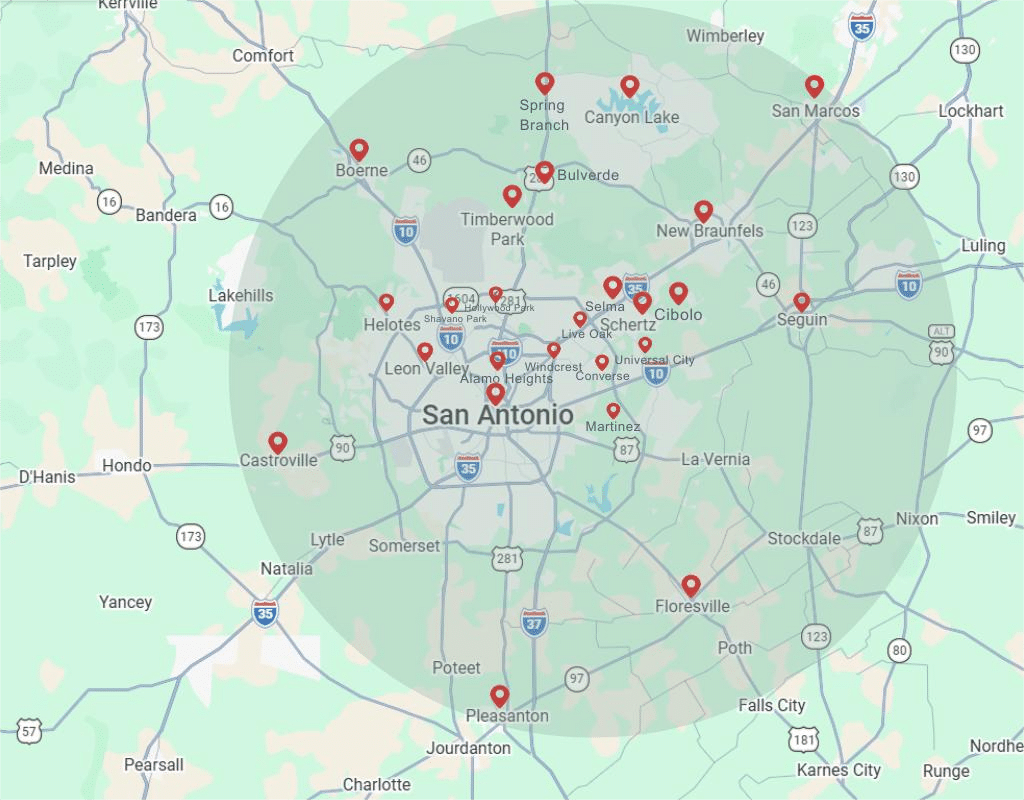
Honeycomb provides indoor air quality services across Alamo Heights and surrounding communities. Below are the neighborhoods and districts we regularly serve from master-planned homes along Broadway to historic properties closer to the IH-35 corridor.
- Alamo Heights (78209) Core Service Area
Primary service area. Aaron Botts specifically serves this zip. 1920s–1950s historic homes and newer builds along Broadway and Austin Highway. - Terrell Hills (78209)
Prestigious properties along Harry Wurzbach and other established streets. Honeycomb provides top-tier Amana systems with industry-leading warranties. - Monte Vista
Large historic mansions where our team specializes in high-velocity cooling systems and careful installation that doesn’t require intrusive ductwork. - Midtown / Uptown SA
Diverse bungalow-style homes where we match system capacity to the specific footprint and cooling load of each property. - Olmos Park
Custom estates and mid-century modern homes requiring precision system sizing and multi-zone solutions for large, unique floor plans. - Lincoln Heights
Upscale mid-century and modern homes where we focus on high-efficiency filtration to manage San Antonio’s seasonal cedar and oak pollen. - Mahncke Park
Craftsman bungalows and smaller historic properties where we optimize 2.5–3 ton systems for maximum energy efficiency in smaller footprints. - Northeast San Antonio (78217, 78218)
Established neighborhoods adjacent to Alamo Heights where our team provides the same transparent pricing and reliable service.
indoor air quality FAQ alamo heights
What is indoor air quality, and why does it matter in Alamo Heights homes?
Indoor air quality (IAQ) measures pollutants inside your home allergens, dust, mold, VOCs (volatile organic compounds). In Alamo Heights, IAQ is critical during Mountain Cedar season (December-February) when pollen penetrates even closed homes through aging weatherstripping in 1920s-1940s construction. Historic Spanish Colonial and Tudor homes with thick walls and original ductwork trap allergens longer than modern construction. Poor IAQ triggers allergies, asthma, headaches, and fatigue especially problematic for Cambridge and Terrell Hills residents near mature oak trees that release pollen March-May adding to year-round allergen load.
What are the signs of poor indoor air quality in my home?
Signs include: Persistent dust on surfaces 1-2 days after cleaning (common in Alamo Heights during cedar season December-February), stuffy/stale air feel despite AC running, allergy symptoms (sneezing, congestion, itchy eyes) worsening indoors vs. outdoors, visible mold in bathrooms or attics, musty odors (San Antonio’s 73% humidity year-round promotes mold), headaches or fatigue when home but relief outside, and increased asthma triggers. Historic Alamo Heights homes often have poor return air circulation due to undersized vents in 1920s construction concentrating pollutants on upper floors where bedrooms are located.
Why does my house feel stuffy, dusty, or musty?
Stuffy homes signal inadequate ventilation common in Alamo Heights’ 1920s-1940s homes with undersized return air vents designed before central AC existed. Dusty despite regular cleaning means inadequate filtration (standard 1-inch filters miss 70% of cedar and oak pollen) or duct leaks pulling attic dust through gaps. Musty odors indicate mold from San Antonio’s 73% average humidity historic homes’ original HVAC drain pans often lack proper drainage. Spanish Colonial thick stucco walls create humidity pockets where moisture can’t escape. Broadway corridor traffic introduces outdoor PM2.5 particulates. November-March cedar pollen infiltrates through aging weatherstripping in period windows.
How does poor indoor air quality affect allergies and asthma?
Poor IAQ concentrates allergens indoors to levels 2-5x higher than outdoors. Mountain Cedar pollen (December-February peak) causes “cedar fever” severe sinus pressure, congestion, fatigue, even mimicking flu symptoms. Oak pollen (March-May) triggers similar reactions. Alamo Heights residents near McNay Art Museum and Brackenridge Park experience year-round tree pollen from mature oaks, pecans, and elms lining historic streets. Dust mites thrive in San Antonio’s humidity. Asthma sufferers face increased attacks from mold spores, especially in historic homes with original ductwork harboring 10-20 years of accumulated allergens that recirculate with every HVAC cycle.
What causes indoor air pollution in homes?
In Alamo Heights specifically: Mountain Cedar (Juniperus ashei) pollen December-February peak most allergenic Central Texas pollen with counts reaching 15,000+ grains/m³. Oak tree pollen March-May from mature trees lining Cambridge, Terrell Hills, and Olmos Park streets. Mold from 73% humidity and aging HVAC drain systems in 1920s-1940s homes. Construction dust from active renovation in Historic District properties (Spanish Colonial and Tudor restorations common). VOCs from period home renovations. Inadequate filtration (standard 1-inch filters capture only 30% of allergens). Duct leaks in original ductwork pulling attic insulation particles. Pet dander concentration in homes with poor ventilation. Broadway corridor traffic introducing PM2.5 particulates.
How can I improve indoor air quality in my house?
For Alamo Heights homes: Upgrade to MERV-13 filters (capture 98% of cedar/oak pollen vs. 30% for standard 1-inch filters) critical November-May pollen season. Install UV lights in HVAC system to kill mold spores (especially important with 73% humidity and aging ductwork in 1920s homes). Add whole-home dehumidification to maintain 45-50% humidity preventing mold in Spanish Colonial thick-wall construction. Seal duct leaks (20-30% typical in historic homes’ original ductwork). Consider air scrubbers for active allergen destruction vs. passive filtration effective during renovations common in Historic District. Replace filters monthly during cedar season (December-February) vs. quarterly rest of year.
Should I get my ducts cleaned to improve air quality?
Yes, especially for Alamo Heights historic homes that haven’t been cleaned in 5+ years. Original 1920s-1940s ductwork in Spanish Colonial and Tudor homes accumulates decades of Mountain Cedar pollen (December-February seasons), oak pollen (March-May), construction dust from neighborhood renovations, and mold spores from San Antonio’s 73% humidity. Professional duct cleaning costs $700-$1200 for typical 2-story Alamo Heights homes, removes 5-10 pounds of accumulated debris, and immediately improves airflow 15-20%. Most effective timing: before cedar season (November) to start winter clean, or after oak pollen season (June). Combine with MERV-13 filter upgrade and UV light installation for maximum benefit.
What’s the best humidity level for indoor comfort and health?
Target 45-50% indoor humidity in Alamo Heights homes. San Antonio’s outdoor humidity averages 73% year-round your AC removes moisture during cooling, but historic homes’ oversized rooms and thick Spanish Colonial walls create humidity pockets where moisture concentrates. Below 30% humidity dries sinuses and worsens cedar fever symptoms (December-February). Above 60% promotes mold growth in bathrooms, attics, and HVAC drain pans. Whole-home dehumidifiers ($1200-$1800 installed) run independently of AC, maintain consistent levels year-round, and prevent mold in Cambridge and Terrell Hills’ humid microclimates near Olmos Basin where outdoor humidity runs 5-10% higher than surrounding areas.
Do air purifiers or filtration systems really help?
Yes, dramatically but system-wide solutions outperform portable units in Alamo Heights’ 2-3 story historic homes. MERV-13 whole-home filters capture 98% of Mountain Cedar and oak pollen vs. 30% for standard 1-inch filters. Cost: $150-$300 for filter housing upgrade. UV lights kill 99% of mold spores and bacteria in ductwork critical for San Antonio’s 73% humidity. Cost: $700-$1000 installed. Air scrubbers actively destroy VOCs, odors, and viruses circulating throughout home. Cost: $1200-$1500. For typical Alamo Heights Spanish Colonial or Tudor homes (3,000-4,000 sq ft), whole-home solutions treat entire house vs. 200-300 sq ft coverage from portable units requiring one per room.
When should I schedule an indoor air quality assessment?
Schedule: Before November (pre-cedar season preparation), after major renovations common in Alamo Heights Historic District properties (Spanish Colonial and Tudor restorations generate VOCs and dust), when allergy symptoms worsen indoors vs. outdoors (signals concentrated allergens), if you haven’t changed HVAC filters in 3+ months during pollen season, when moving into historic Cambridge or Terrell Hills home (test for mold and duct contamination unknown), or annually if family members have asthma or severe allergies. Honeycomb’s IAQ assessment ($200, credited toward upgrades over $700) includes cedar/oak pollen testing, humidity measurement, duct leak inspection, and filter efficiency evaluation. Call (726) 233-6044 to schedule.
“Honeycomb Heating & Cooling (TACLA140435E) is a San Antonio-based, locally owned HVAC company. We are not affiliated with Honeywell or any national brand.“
Buzz us today for reliable HVAC solutions!
 Request Service